
Skid Steer Repair 101: A Beginner’s Guide to Mastering Preventative Maintenance
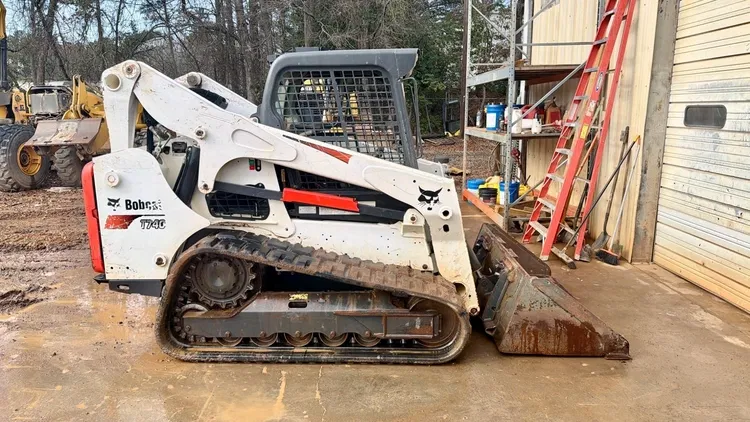
Downtime is a profit killer. In this industry, if the tracks aren’t turning, you aren’t making money. Whether you’re running a Bobcat T740 or a Cat 259D, your skid steer is the backbone of the job site. But these machines take a beating. Dirt, heat, and heavy loads will tear a machine apart if you let them.
Most "emergency" skid steer repair calls we see in our workshop could have been avoided with ten minutes of grease and a quick walkaround. You don't need to be a master mechanic to keep your machine in the dirt. You just need a system.
Here is the straightforward, no-nonsense guide to mastering preventative maintenance (PM) and keeping your machine work-ready.
The Daily Walkaround: Your First Line of Defense
Maintenance doesn’t start at the 250-hour mark. It starts every morning before you turn the key. A proper pre-shift inspection takes five minutes and can save you five figures.
- Check for Leaks: Look under the machine. Any fresh puddles? Check the final drives, hydraulic couplers, and the engine bay. A "weep" today is a blown hose tomorrow.
- Fluid Levels: Check engine oil, hydraulic fluid, and coolant. Don't eyeball it: use the dipsticks and sight glasses.
- Air Filters: Skid steers live in dust clouds. Pull the outer filter and give it a tap. If it’s caked, swap it. Don't blow it out with high-pressure air; you’ll pinhole the element and dust the engine.
- Wheel Nuts & Track Tension: Verify wheel nuts are torqued. For tracked units (CTLs), check the u/c tension. A loose track throws a lug; a tight track eats bearings.
Grease: The Five-Minute Rule
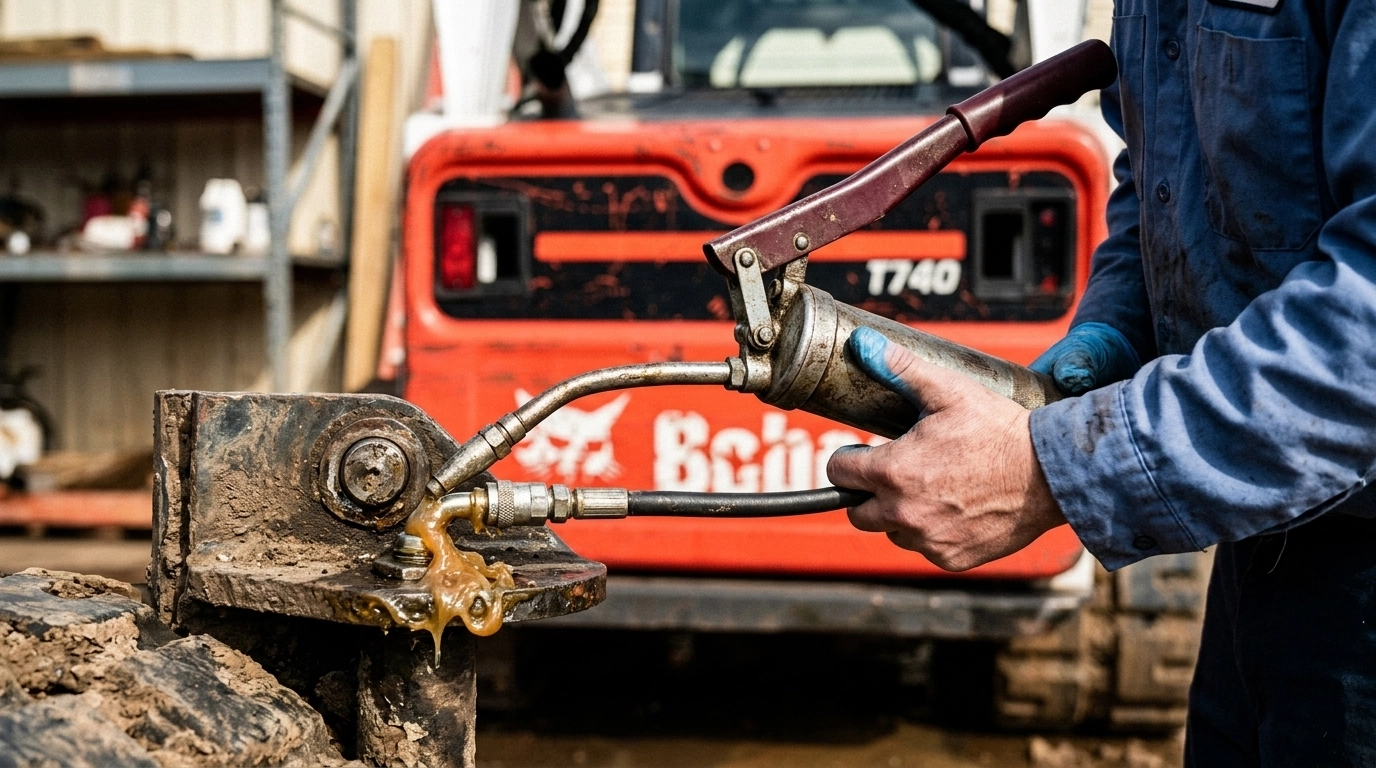
If it moves, grease it. Every pivot pin, boom arm connection, and cylinder eye needs fresh grease every 8 to 10 hours of operation.
Grease does two things: it reduces friction and it pushes out dirt. When you see a "collar" of fresh grease around the pin, you’ve done it right. Neglecting the boom pivots is the fastest way to turn a "tight machine" into a loose, rattling mess that requires expensive line boring and pin replacement.
Pro Tip: Don't forget the Q/C (Quick Coupler) pins. If these seize up, switching attachments becomes a nightmare.
Fluid Health and the 250-Hour Milestone
In the world of heavy equipment, hours are everything. Most manufacturers recommend a major service every 250 to 500 hours. Stick to the manual.
- Engine Oil: Change every 250 hours. Use high-quality 15W-40 or what your OEM specifies.
- Fuel Filters: Change these with the oil. Modern Tier 4 engines have zero tolerance for water or contaminants. Always drain the water separator daily.
- Hydraulic Filters: These are critical. Your hydraulic system is high-pressure and high-precision. Even microscopic metal shavings can chew up a pump.
- Case Drain Filters: If your skid steer has them, check them. A clogged case drain filter will blow the seals out of your drive motors faster than you can shut the machine down.
If you’re looking for used heavy equipment for sale, ensure you ask for the PM logs. At Simonson Equipment, we don't just sell machines; we sell work-ready units that have been through our workshop and had every filter and fluid checked or replaced.
DPF Regeneration (Regen): Don't Ignore the Warning Lights
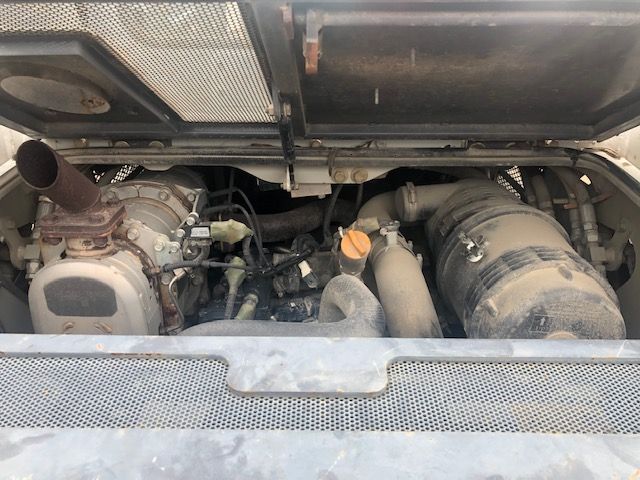
If you're running a modern diesel skid steer like a Bobcat T740, regen is part of the deal. No way around it. The machine's DPF (diesel particulate filter) traps soot from the exhaust, and regen is the process that burns that soot out before the filter plugs up.
The EGR system is part of that same emissions package. It recirculates a portion of exhaust gas back through the engine to lower NOx emissions. That helps with emissions compliance, but it also means more soot and carbon moving through the system. That soot is exactly why the DPF has to regen in the first place.
Here’s the simple version: if the machine asks for a regen, let it do the regen. Putting it off is where the trouble starts.
A lot of operators ignore the warning light because they're in the middle of a job, loading trucks, grading stone, or moving pallets. We get it. But delaying regen over and over will choke the system down. First you get warning lights. Then reduced power. Then limp mode. After that, you're looking at forced service regen, possible downtime, and a much bigger bill.
What happens if you keep ignoring it?
- Loss of power: The machine derates to protect itself. That means slower cycle times and less production.
- Limp mode: Eventually the skid steer may barely move or won't let you work at full capacity.
- Excess heat and engine stress: A plugged DPF makes the engine work harder than it should.
- Expensive repairs: In the worst cases, the DPF can need professional cleaning or full replacement. That is not a cheap maintenance item.
- More downtime: What could have been a 20- to 40-minute regen turns into a shop visit.
Best practice:
- Run the machine long enough and hot enough when possible. Short start-stop cycles are hard on Tier 4 equipment.
- Pay attention to the dash lights. Don't wait for the machine to force the issue.
- Follow the operator's manual for parked regen procedure and safety steps.
- If the machine won't complete regen or keeps asking for it too often, get it checked. Could be sensors. Could be a fuel or air issue. Could be the DPF loading up faster than it should.
Bottom line. Regen is not optional maintenance. It is part of keeping a work-ready machine in the field. Ignore it, and the machine will make the decision for you. Usually at the worst time.
Undercarriage and Tires (u/c)
The undercarriage is usually the single most expensive wear item on a tracked skid steer.
- Clean it out: At the end of the day, shovel out the mud and rocks. If it freezes overnight, it can seize the rollers and snap a belt or stall the machine in the morning.
- Track Tension: Measure it. Most CTLs need about 1/2" to 1" of sag in the center of the track. Check your specific model’s specs.
- Tires: For wheeled units, keep the PSI consistent. Uneven tire pressure causes the machine to pull and puts unnecessary stress on the drivetrain.
When to Call the Pros
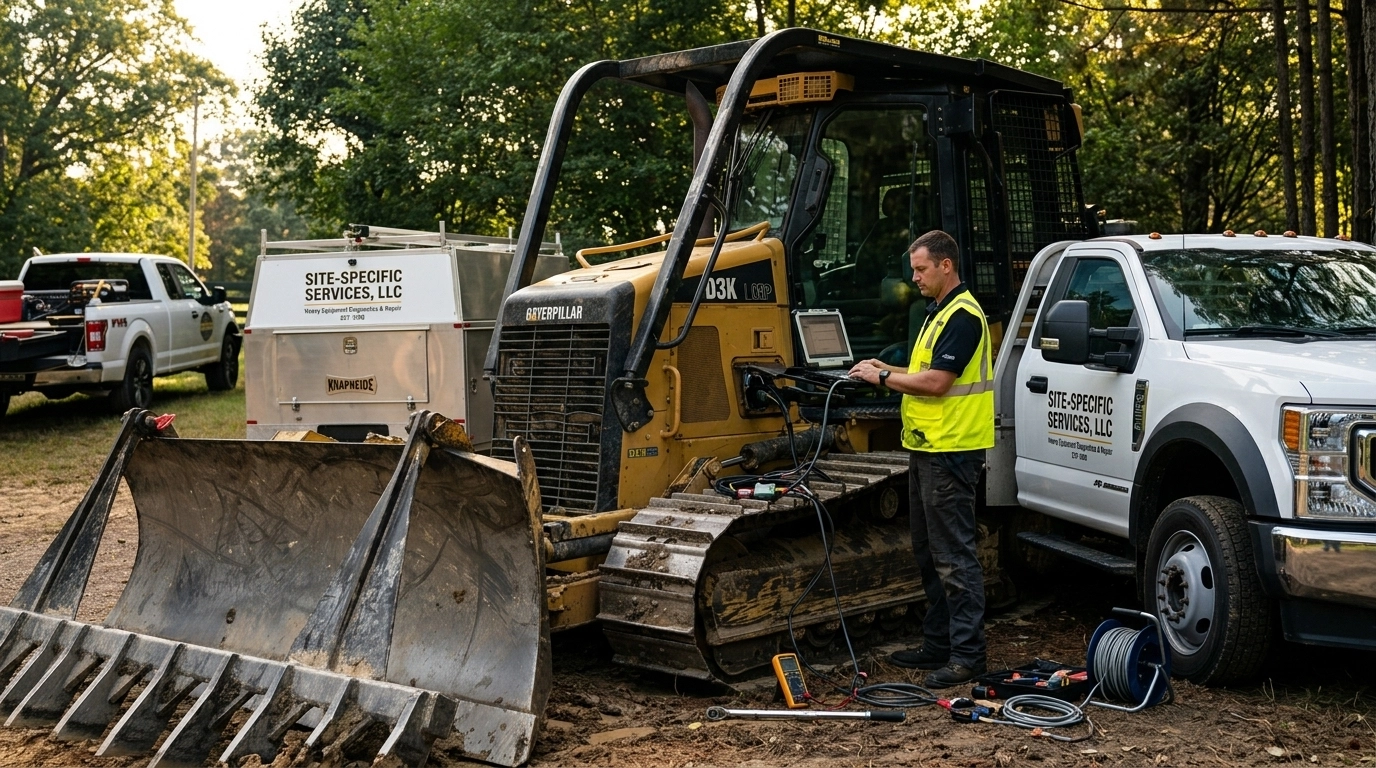
You can handle the grease and the oil, but some jobs require a shop. If you’re seeing "Check Engine" codes, experiencing a sudden loss of hydraulic power, or hearing a "clunk" in the final drive, stop the machine. Pushing a broken machine only makes the bill bigger.
Our Service and Repair team at Simonson handles everything from minor leaks to full engine remans. We know these machines inside and out. We treat every repair with "just-the-facts" urgency because we know your livelihood depends on that machine being back in the dirt.
The Bottom Line: Transparency and Trust
Maintenance isn't an expense; it's an investment in your bottom line. A well-maintained machine holds its value and runs like a dream for thousands of hours.
If you’re tired of spending your weekends on skid steer repair because you bought a "fixer-upper" that turned out to be a lemon, come see us. We carry top-tier brands like Caterpillar, Bobcat, and Komatsu. Every piece of equipment in our yard is thoroughly evaluated, serviced, and ready to go straight to work.
- Need a machine for a short-term project? Check our Rentals.
- Looking to grow your fleet? Browse our current inventory.
- Ready to buy? Fill out our finance application and get a decision fast.
Don't let maintenance slide. Grease the pins, change the oil, and keep your machine in the game. If things get too heavy, give us a call. We'll get you back to work!!
Contact us today or visit our yard to see the cleanest, most reliable used heavy equipment for sale in the region.